
Chronic Pain Management Physiotherapy in Malviya Nagar, Delhi
A Functional Approach to Persistent Pain & Movement Difficulties
Living with persistent pain can affect movement, sleep, work and everyday activities. Dr. Shruti Dental & Wellness Clinic offers physiotherapy assessment in Malviya Nagar, Delhi, for people seeking support with chronic musculoskeletal pain and related functional limitations. Depending on the cause and individual needs, treatment may include graded exercise, mobility work, pacing strategies and education about managing activity. The aim is to support function and quality of life while recognising that chronic pain can have multiple contributing factors.


PERSISTENT PAIN & FUNCTIONAL RECOVERY
Frequently Asked Questions About Chronic Pain Management
-
Can physiotherapy help with chronic pain?
Physiotherapy may help some people improve movement, physical capacity and daily function while learning strategies to manage persistent pain. Results depend on the underlying condition and individual circumstances.
-
Is exercise helpful when pain has lasted for months?
Appropriately selected and gradually progressed exercise can help many people with persistent musculoskeletal pain. The type and intensity should be based on assessment, especially when symptoms are unexplained or worsening.
-
How is chronic pain physiotherapy different from treatment for a recent injury?
Chronic pain management often places greater emphasis on gradual activity, functional goals, pacing and self-management alongside suitable exercises. The plan depends on the cause of pain and the person's response.
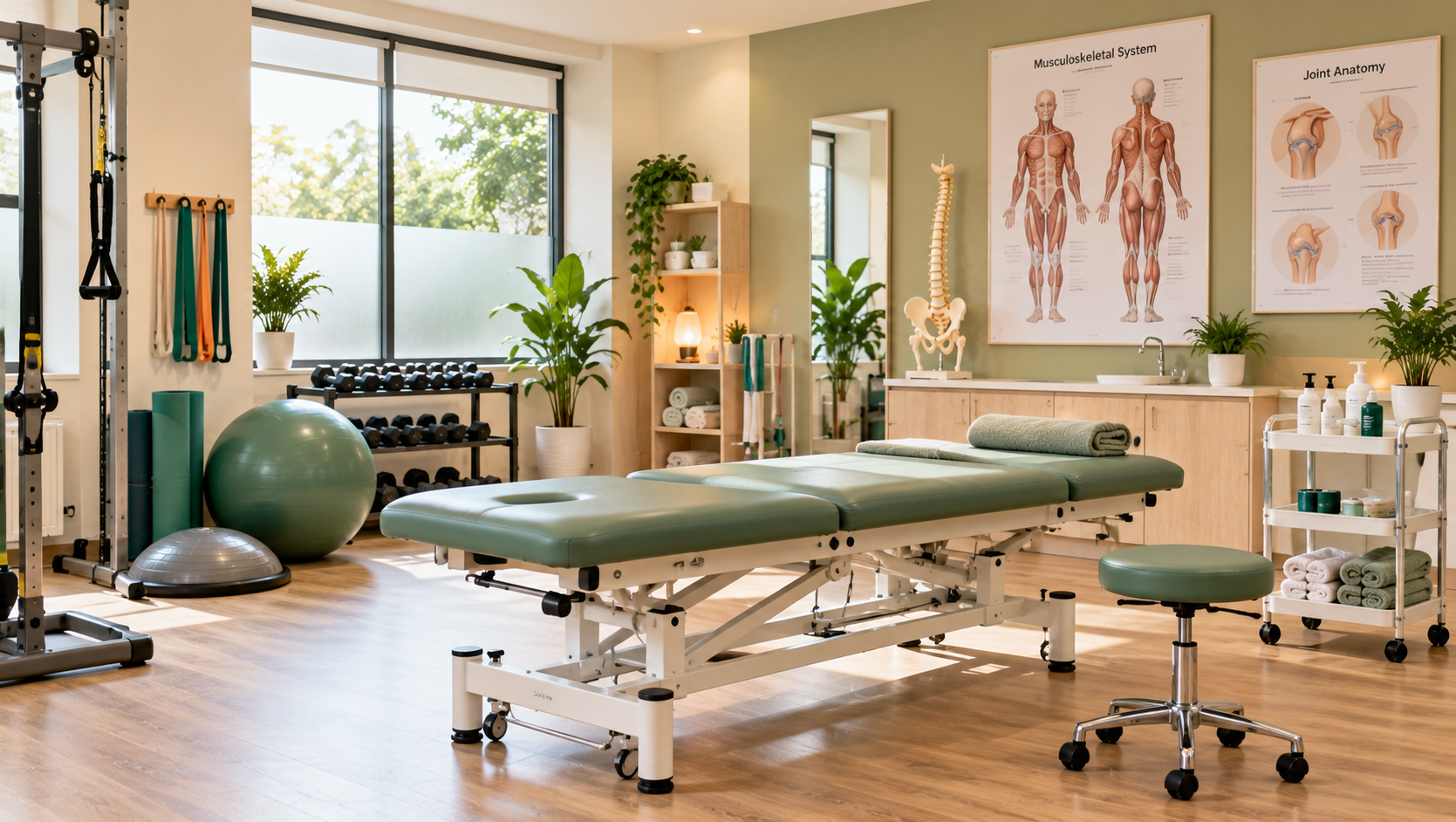
Chronic Pain Physiotherapy Procedure
The process begins with a detailed review of pain history, symptoms, previous treatment, movement limitations and daily activities. Your physiotherapist identifies functional goals and checks whether medical assessment or referral is needed. Depending on the findings, treatment may include graded exercise, mobility training, pacing, relaxation strategies and education to support self-management. Progress is assessed through changes in activity tolerance and function, not pain intensity alone, and the plan is adjusted over time.